DLCO-EA

The 2nd Steering Committee Session of the Inter-regional Platform for Sustainable Management of Desert Locust and other Trans-boundary Pests

The 2nd Steering Committee Session of the Inter-regional Platform for Sustainable Management of Desert Locust and other Trans-boundary Pests, co-chaired by DLCO-EA and ICPAC was officially opened by the 2nd Vice Chairperson of the DLCO-EA Governing Council of Ministers, Hon Maj (Rtd) Bwino Fred Kyakulaga (MP), Uganda’s Minister of State (Agriculture), Ministry of Agriculture, Animal […]

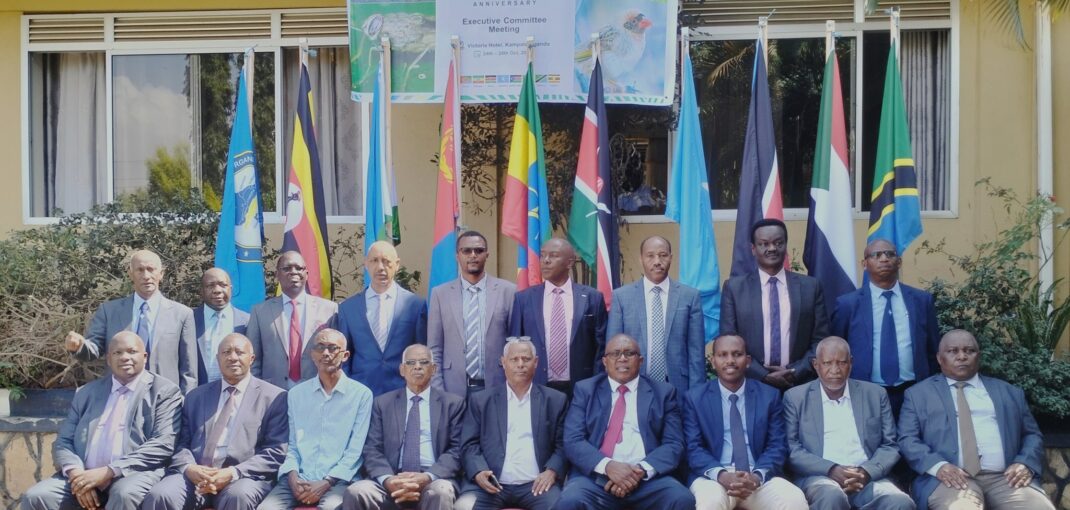
DLCO-EA holds its 67th Regular Session of the Executive Committee, in Kampala, Uganda

25th October 2022 The DLCO-EA 67th Executive Committee Session has commenced in Kampala, Uganda, in preparation for the Council of Ministers Session due from 27th-28th October 2022. We appreciate Uganda for hosting the event. #DLCO_EA@60 #foodsecurity   The Ag Director, Crop Resources and Commissioner Crop Protection @MAAIF_Uganda Mr Stephen Byantware updated the nation on the […]

FAO Representative to AUC & ECA (SRC-SFE) and the Director of DLCO-EA signed a Letter of Agreement

On 26th January 2017, Addis Ababa – The Sub Regional Coordinator for Eastern Africa and FAO Representative to AUC & ECA (SRC-SFE), Mr. Patrick Kormawa and the Director, Desert Locust Control Organization for Eastern Africa (DLCO-EA), Mr. Stephen Njoka signed a Letter of Agreement to jointly implement the project to control the Desert Locust. Both […]

Desert Locust Update April 2020

Leaving aside the Desert Locust developments which have occurred between October 2019 and January 2020, the current situation in Kenya, southern, eastern and southwestern Ethiopia and Somalia still remains alarming to our region. Even though intensive ground and aerial control operations are progressing in many locations in Kenya and Ethiopia on immature swarms and hopper […]

Development of Desert Locust Swarms in Kenya

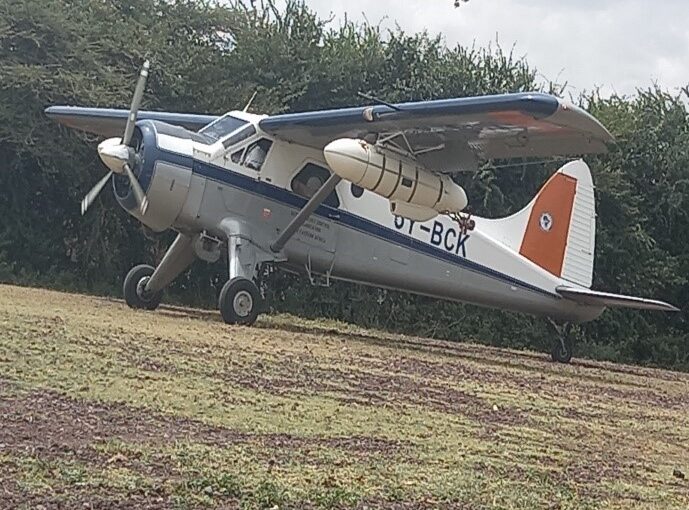
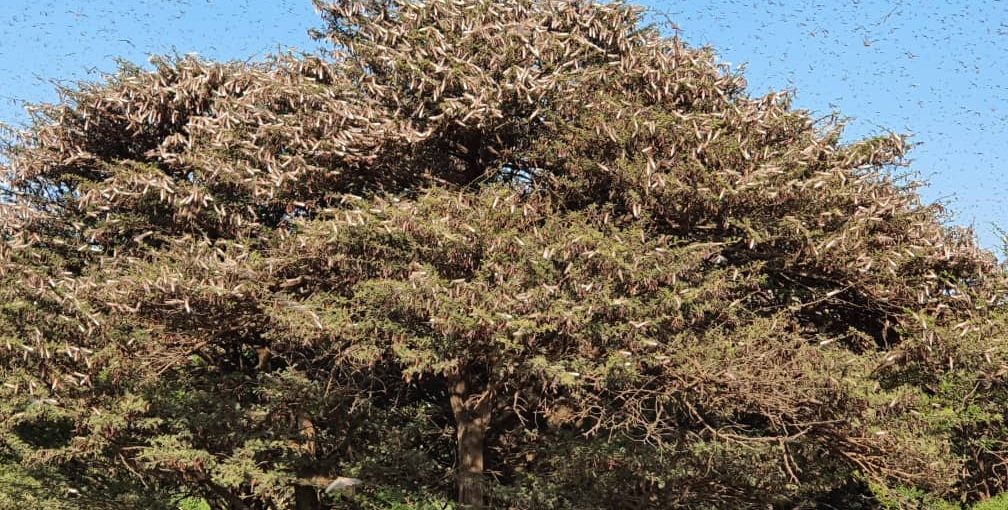
Despite the intensive ground and aerial control operations in Samburu, Marsabit, Isiolo, Turkana and other Counties, fledging and development of several large and dense immature swarms are continuing. Ground teams are using all means of control equipment including vehicle mounted sprayers, while several survey helicopters and spray aircraft are also battling the emerging swarms and […]